

Understanding Gutter Installation in Arkansas
Gutter installation in Arkansas is a critical part of residence maintenance, especially in areas like Fayetteville, where weather patterns can be unpredictable. As homeowners prepare for 2024, knowing the process and what to expect is crucial. Gutter installation involves more than just attaching channels to a roof; it requires careful planning, proper materials, and attention to area building codes. In Fayetteville, the combination of heavy spring rains and summer thunderstorms makes it even more essential to have a trusted gutter system in place. For dependable Gutter Installation in Arkansas in Arkansas, AGM Gutters provides skilled guidance and useful solutions.
The installation process typically begins with an assessment of the roof and existing gutters. Professionals evaluate the structure, slope, and drainage patterns to determine the best setup. In Arkansas, where the climate can vary significantly, the choice of materials and design plays a major role in the longevity and effectiveness of the system. Homeowners should be aware of the local weather conditions and how they impact the installation and maintenance of gutters.
With 2024 approaching, many residents in Fayetteville and surrounding areas are looking for reliable gutter installation services. The demand for quality work has increased, especially in cities like Little Rock and Springdale, where new developments are expanding. Choosing the right contractor is key to ensuring that the installation meets local regulations and provides long-term protection against water damage.
Favored Gutter types in Arkansas
In Arkansas, the prevalent gutter varieties include aluminum, steel, and vinyl. Each substance has its own advantages and is suited to different conditions. Aluminum gutters are easy to handle and resistant to rust, which makes them a popular option in areas like Fayetteville, where humidity can be increased. Steel gutters are stronger and can endure harsh weather, but they may need more upkeep over time. Vinyl gutters are affordable and simple to set up, though they may not be as strong as metallic choices.
Homeowners in Arkansas often choose gutters based on their financial plan, the weather, and the general look of their homes. In Fayetteville, where the terrain is a mix of urban and suburban zones, the look of the gutters can also affect the decision. Some favor continuous gutters, which are made to fit and minimize the chance of water seepage. Others opt for divided gutters, which are simpler to set up and swap out when required.
The type of gutter installed can also affect the overall maintenance needs. For example, in areas like Little Rock, where humidity is high, gutters made of materials with good weather resistance are vital. In Springdale, where residential development is increasing, the need for effective and durable gutter installations is going up. Understanding the choices present can support homeowners come to well-considered choices that fit their individual demands and environment.
How Arkansas Climate Affects Gutter Installation
The climate in Arkansas has a direct impact on gutter installation and upkeep. Fayetteville, like much of the state, experiences a humid subtropical climate with hot summers and mild winters. This means that gutters must be able to handle heavy rainfall, particularly during the spring and early summer months. In areas like Little Rock, where the climate is similar, property owners often face challenges with water runoff and likely damage to their homes if gutters are not properly installed.
Weather conditions in Arkansas can also affect the durability of gutters. For instance, in Springdale, where there has been a rise in residential construction, the require for gutters that can withstand both heavy rain and occasional strong winds has become more vital. In Fayetteville, the combination of rain and temperature fluctuations can lead to concerns like ice dams in the winter, which call for gutters that are both strong and well-maintained.
Residents in Arkansas should be aware of how their regional climate influences the installation procedure. In cities like Fort Smith and Conway, where the weather can be more variable, it's critical to pick gutters that can tackle both heavy precipitation and sudden temperature changes. Proper installation and regular maintenance are key to ensuring that gutters function effectively throughout the year. https://telegra.ph/What-Every-Property-Owner-Should-Know-About-How-to-Choose-a-Trusted-Gutter-Installer-in-Arkansas-11-18
Top Choices for Gutter Installation in Arkansas
When it comes to gutter installation in Arkansas, the choice of materials is critical. The most suitable choices for the region are those that offer strong weather protection and longevity. Aluminum is a popular choice due to its lightweight nature and anti-rust properties, making it ideal for areas like Fayetteville, where wet conditions are elevated. Metal gutters are another selection, supplying increased strength and endurance, though they may demand greater maintenance over time.
For property owners in Little Rock and other parts of Arkansas, plastic gutters can be a budget-friendly choice. They are easy to install and immune to rust, but they may not be as sturdy as metal selections. In areas with moist conditions, such as North Little Rock, options that fight mold and mildew are particularly crucial. This is where the value of selecting the ideal choice becomes clear.
In Springdale, where housing growth is expanding, the requirement for robust and long-lasting gutter installations is growing. Residents are looking for materials that can withstand both intense rain and the daily use of everyday activities. In Fayetteville, where the weather can be changeable, the emphasis is on materials that can cope with both severe temperatures and substantial precipitation. Picking the ideal choice guarantees that the gutters perform well and require less frequent repairs.
Expense of Gutter Installation in Arkansas
The price of gutter installation in Arkansas can vary depending on several factors, including the type of materials used, the size of the home, and the complexity of the installation. In Fayetteville, the average expense for a standard installation ranges from $300 to $1,500, depending on the materials and labor involved. Homeowners in Little Rock and Springdale may see similar pricing, though local market conditions can impact the final cost.
For those looking for a more budget-friendly option, vinyl gutters are often the cheapest choice. However, they may not last as long as aluminum or steel options, which can result in higher long-term costs. In cities like Fort Smith and Conway, where the construction industry is growing, there may be additional options for competitive pricing. It's necessary to get several quotes from local contractors to confirm that the installation is both affordable and high-quality.
In Arkansas, the expense of professional gutter installation can also be impacted by the local labor market. In areas like Fayetteville, where there is a significant demand for skilled workers, the expense may be somewhat higher. However, putting in a reliable installation can reduce money in the long run by reducing the need for repairs and replacements. Homeowners should also take into account the potential financial benefits from avoiding water damage to their homes and landscaping.
Steps Involved in Skilled Gutter mounting
Skilled gutter installation in Arkansas requires a set of steps to make sure that the system is both operational and durable. The primary phase is an first assessment of the home, where the contractor inspects the roof, existing gutters, and water trends. This assists figure out the best approach for the installation and any necessary adjustments.
Once the assessment is complete, the next step is to calculate and cut the gutters to suit the home's size. In Fayetteville, where homes can differ in dimension and style, this action is important for ensuring a proper adjustment. The gutters are then mounted along the perimeter, with supports and supports used to anchor them in positioning. https://pad.batsense.net/hJL6WykbTz2Afg6iibd43g In areas like Little Rock, where the environment can be more extreme, the installation process may need extra stabilization to endure strong precipitation and wind.
After the gutters are on place, the concluding action is to test the system for proper water. This includes checking for leaks, guaranteeing that liquid moves smoothly into the pipes, and doing any important changes. In Springdale, where recent construction are common, this phase is particularly important to make sure that the gutters work properly in the long term. Homeowners should also be knowledgeable of the care needs of their recent gutter setup to maintain it in fine shape.
Gutter care and Maintenance in Arkansas
Caring for gutters in Arkansas is essential to prevent water damage and ensure the system functions properly. In Fayetteville, where heavy rainfall is common, regular cleaning is necessary to remove debris and prevent clogs. Homeowners should inspect their gutters at least twice a year, especially after storms or periods of heavy rain.
Proper maintenance can also prolong the lifespan of the gutters and minimize the need for costly repairs. In areas like Little Rock, where humidity is high, mold and mildew can accumulate in gutters if they are not cleaned regularly. This can lead to corrosion and structural damage over time. In Springdale, where residential areas are expanding, the importance of regular maintenance is even greater to ensure that new homes are protected from water damage.
Homeowners in Arkansas should also be aware of the best practices for gutter cleaning. This includes using a ladder safely, wearing protective gloves, and employing a gutter scoop or brush to remove debris. In cities like Fort Smith and Conway, where the climate can be more variable, the rate of cleaning may need to be modified based on local weather conditions. Regular maintenance not only keeps the gutters in good condition but also helps prevent issues that could lead to costly repairs.
Building Codes and Regulations for Gutters in Arkansas
Building codes and regulations for gutters in Arkansas are designed to make sure that all installations meet security and operation standards. In Fayetteville, regional regulations require that gutters be installed in a way that avoids water from pooling near the foundation of the property. This is specifically important in areas where heavy rainfall is frequent, as improper installation can lead to basement flooding and structural wear.
In Little Rock, where the climate is similar to Fayetteville, there are specific guidelines for the size and placement of gutters. These regulations support make sure that the setup can handle the expected amount of rainfall and direct water away from the property. In Springdale, where new developments are on the rise, the city has updated its building codes to reflect the latest standards for gutter installation.
Residents in Arkansas should be aware of the local building codes in their area before starting any installation. In cities like Bentonville, where there has been a construction boom, the codes have been updated to include more stringent standards for gutter setups. These changes assist ensure that all new installations are safe, effective, and long-lasting. Understanding and following these regulations is essential for any homeowner looking to install or replace their gutters.
Signs Your Gutters Need Repair in Arkansas
Knowing when your gutters need repair is essential for maintaining the integrity of your home. In Fayetteville, where the climate can be unpredictable, homeowners should watch for signs such as bent gutters, water gathering near the foundation, or obvious cracks and leaks. These issues can lead to serious damage if not addressed promptly.
In areas like Little Rock, where humidity is high, mold and mildew can also be indicators that gutters need attention. If you notice a musty smell or visible growth near the gutters, it may be a sign that water is not draining properly. In Springdale, where residential development is growing, the need for regular inspections is even more important to ensure that new homes are protected from water damage.
Homeowners in Arkansas should also be knowledgeable of the signs of damage and fracture that can occur over time. For example, in Fort Smith and Conway, where the weather can be more variable, gutters may show indications of oxidation or degradation. These issues can lead to seepage and more harm if not mended. Frequent reviews and timely repairs can aid prevent expensive problems and ensure that your gutter system continues to work effectively.
Gutter Installation Services in Fayetteville and Surrounding Areas
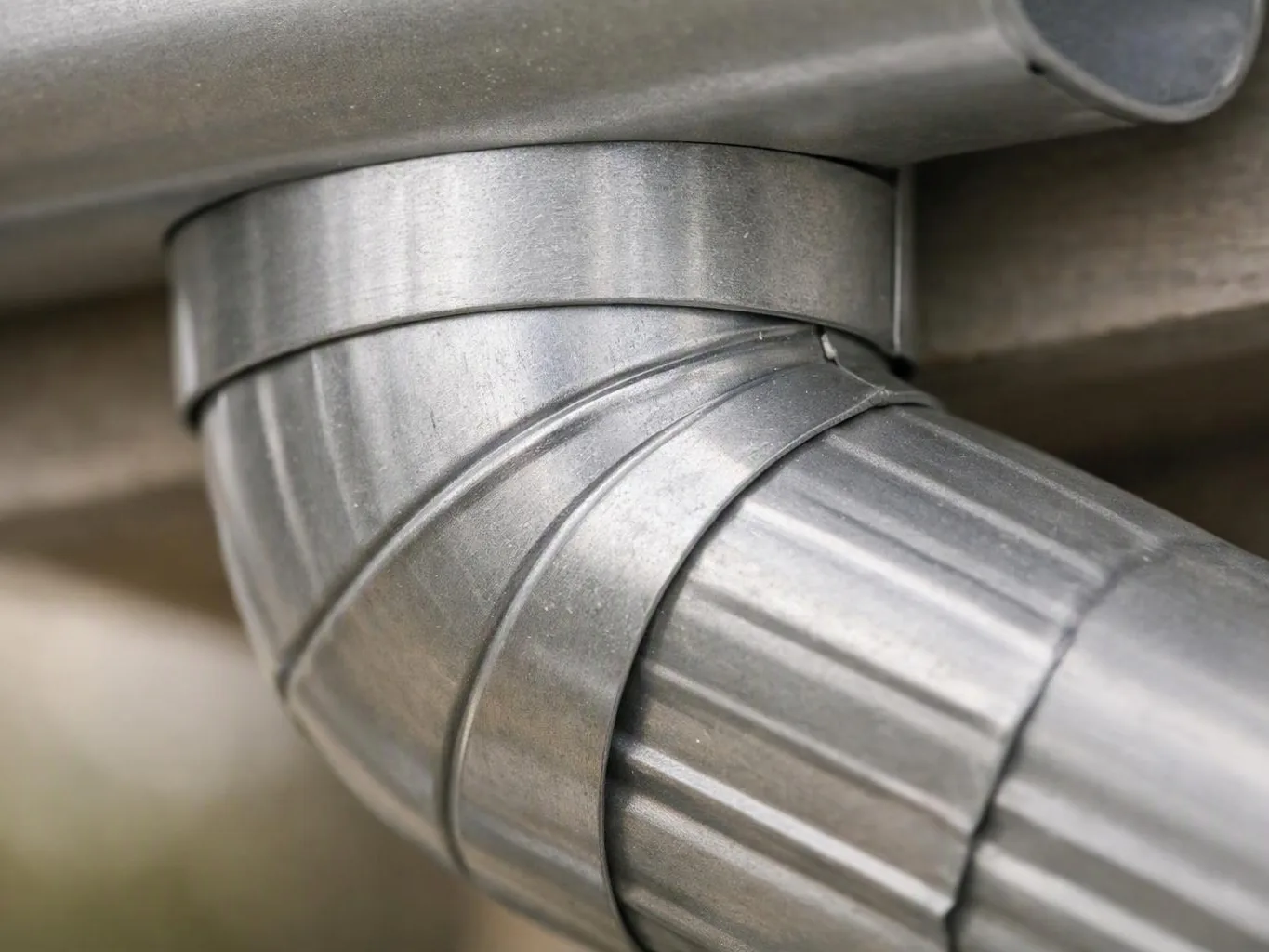
Gutter placement options in Fayetteville and adjacent regions are in considerable demand, especially as more property owners look to protect their homes from the region's unreliable weather. In Fayetteville, there are several reputable service providers supplying expert setup and maintenance options. These firms grasp the area environment and can supply solutions that are tailored to the exact demands of the region.
In Little Rock, where the weather is like to Fayetteville, property owners have opportunity to a broad range of gutter placement choices. The city's increasing residents has led to an increase in the number of support vendors, making it simpler for residents to locate excellent services. In Springdale, where new developments are expanding, the interest for trustworthy gutter services has also increased, with many service providers supplying fair costs and fast response times.
Homeowners in other close regions, such as Fort Smith, North Little Rock, and Rogers, can also enjoy from area gutter setup solutions. These providers realize the unique challenges of the zone and can supply options that are both effective and sustainable. In areas like Jonesboro and Pine Bluff, where the climate can be greater unpredictable, the significance of choosing a respected professional is even significant to assure that the setup fulfills area requirements and supplies long-term safety.
FAQ
What are the most common types of gutters used in Arkansas?
The common varieties of gutters applied in Arkansas include lightweight, steel, and plastic. Metal gutters are popular due to their low weight and rust resistance, making them suitable for zones like Fayetteville with high humidity levels. Steel gutters provide higher sturdiness, while plastic gutters are a affordable solution that is easy to install.
How do environmental factors in Arkansas affect gutter installation?
Arkansas has a humid subtropical climate with hot summers and mild winters, which means gutters must manage heavy rainfall and occasional strong winds. In Fayetteville, where spring rains are frequent, proper installation is vital to avoid water damage. In Little Rock and Springdale, the require for weather-resistant materials is even greater due to the region's high humidity and regular storms.
What components are best suited for Arkansas weather?
Options that offer strong weather resistance are best suited for Arkansas. Aluminum gutters are a popular option due to their durability and resistance to rust. Steel gutters provide further strength, while vinyl gutters are cost-effective and easy to maintain. In areas like Fort Smith and Conway, where the climate can be more variable, materials that can withstand both heavy rain and temperature changes are crucial.
What is the standard cost of gutter installation in Arkansas?
The cost of gutter installation in Arkansas varies depending on the components used and the size of the residence. In Fayetteville, the average cost for a standard installation ranges from $300 to $1,500. In Little Rock and Springdale, similar pricing is typical, though local market conditions can influence the final cost. Homeowners should consider the long-term benefits of a high-quality installation to avoid costly repairs in the future.
What are the processes involved in professional gutter installation?
Professional gutter installation involves several steps, including an initial assessment, measuring and cutting the gutters, installation along the roofline, and testing the system for proper drainage. In Fayetteville, where the climate can be unpredictable, these steps are crucial for ensuring that the system functions effectively. In cities like Little Rock and Springdale, the process may require additional reinforcement to handle heavy rainfall and strong winds.